Should You Sell Your Roofing Company to Private Equity?

- The offers are real and frequent: Indiana roofer Cory Getz says private equity approaches him once or twice a month, including a recent offer he calls life-changing money.
- He has seen deals go wrong: Cory watched local competitors lose key people and fall apart after being bought, which is a big part of why he hasn't sold, even after nearly doing a deal in 2023.
- The real question isn't "sell or don't": It is whether your company runs on systems strong enough to grow without you, and whether any partner you choose will protect what you built.
If you own a roofing company doing real volume, you have probably already had the call. Someone from a private equity group wants to "learn more about your business." For some owners it is a once-in-a-career opportunity. For others it is the start of a story that ends with a broken culture and a brand nobody recognizes.
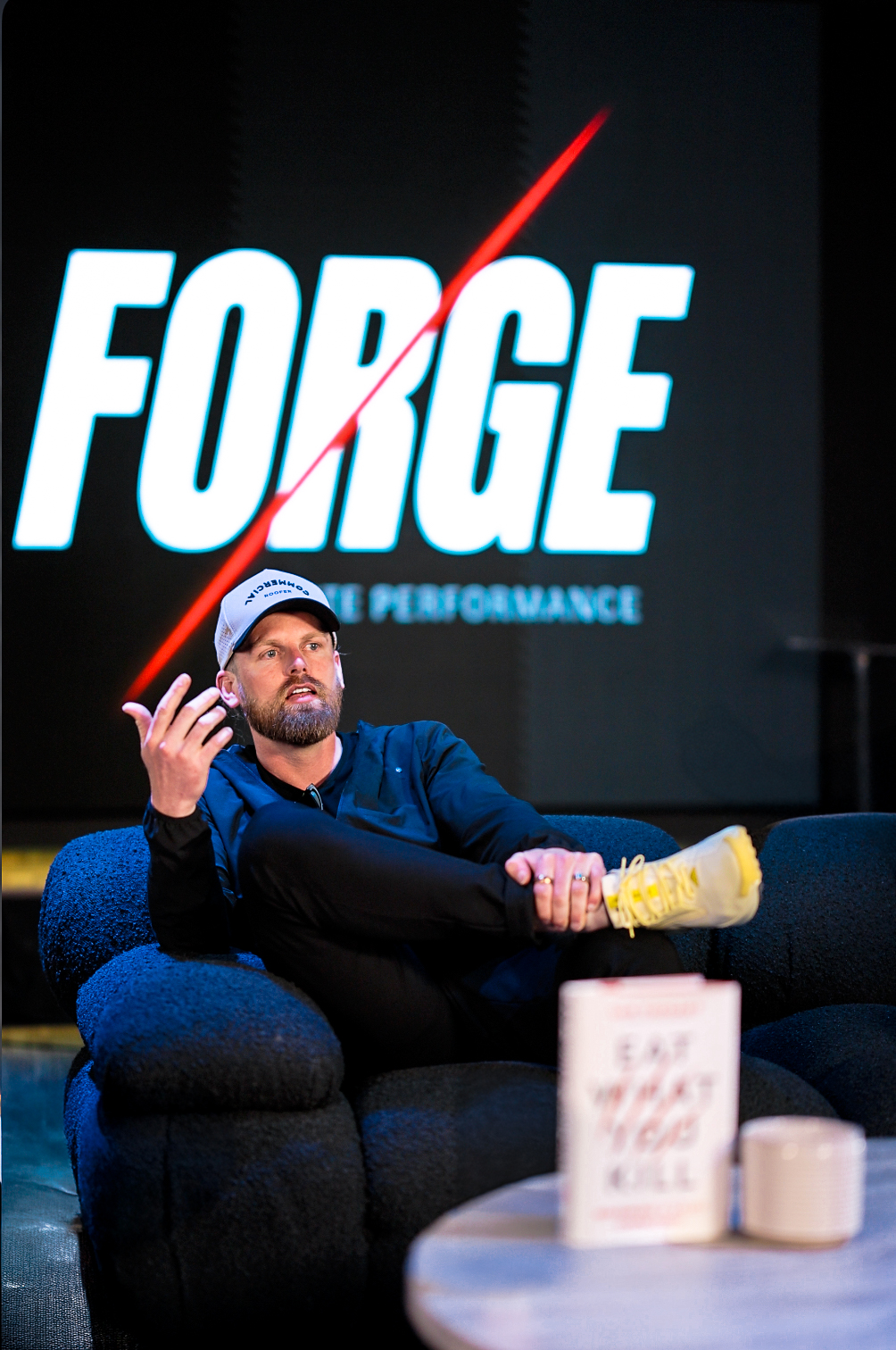
On the Roofing CEO Podcast, host Mike Abramowitz sat down with Cory Getz, owner of Unrushed Honest Quality (UHQ) in Carmel, Indiana. Cory has been in roofing for about 25 years and has run his own company for more than a decade with a team of about a dozen. Private equity keeps knocking, and Cory keeps saying no.
His reasons are worth hearing before you take your next call from a buyer, whether you end up selling or not.
How the Roofing Industry Has Changed
From Chasing Storms to Educated Homeowners
Cory remembers working Hurricane Katrina in 2005 and chasing hailstorms before and after it. Back then, he says, insurance deductibles were lower, there was more overhead and profit, it was easier to get paid, and a contractor could get by with a truck and some hustle.
That is no longer the case. Technology and insurance carriers have changed the economics, and homeowners have changed too. Customers are more educated, they want different experiences, and many of them want something closer to one-click buying. They do not like salespeople the way they used to.
"The customers are a lot more educated. They're looking for different experiences. It's a lot more like wanna click to buy."
How UHQ Adapted
Rather than fight that shift, UHQ leaned into it:
- Online pricing tools: UHQ is on its second online estimator. Cory points out that the most common question homeowners search is how much a job is going to cost.
- Answer Engine Optimization: The company is working to show up in AI tools like ChatGPT and Gemini, not just traditional search.
- Content: Podcasts, a YouTube channel and social media give homeowners a way to know the company before anyone knocks.
- Reviews as a KPI: Review results are tied to production team bonuses, because they show whether UHQ is actually delivering what it promises.
Cory says there is now an online trail for every contractor, and that "makes it a great place to be a good business."
Why Systems Come Before Scale
Out From Under the Desk
The 29-year-old Cory who started the company was, in his words, a much different person than the 40-year-old Cory today. Early on he was doing everything himself, sleeping under his desk and trying to cram eight days of work into five or six.
The way out was systems and processes: repeatable work other people can learn. For the sales team, that meant templates and training videos. For production, it meant checklists and automated workflows in the CRM. Cory also learned the hard way that you need the system before the hire. He used to build a process, bring someone in, watch them break it and start over.
His biggest challenge now is letting go, delegating and resisting the urge to jump back in.
Healthy Growth vs. Unhealthy Growth
Cory is not anti-growth. He is against the wrong kind. He shared that most contractors go out of business within their first couple of years, and that in his view only about 1 percent make it past 10 years in business or past $1 million in revenue.
He has also paid $10,000 to $25,000 for programs that promised to 10X his business, and he says that doesn't always happen. His approach is steadier: take a few improvements every year, ideally every quarter, and implement them properly.
"Unhealthy growth puts businesses out of business."
"It's simple, but it's not easy."
That is also exactly what buyers look for. A roofing company that runs on documented systems, clean CRM workflows and a team that doesn't need the owner in every decision is the kind of company that holds its value, whatever the owner decides to do with it. If you are still building that foundation, an operating system like OwnersOS can help you put the scorecard, org chart and accountability in place.
Why Cory Keeps Turning Down Private Equity
He Almost Sold in 2023
Cory gets approached once or twice a month. In 2023 he talked seriously with a private equity group and almost did a deal. More recently he received an offer he describes as life-changing money, the kind that is hard to turn down.
So why not take it? Because he has watched what happened to other companies in his market. Businesses that were bought out lost key players and talent. One competitor that used to be huge now barely competes against UHQ at all.
He sees roofing going through the same consolidation HVAC went through about 20 years ago, and he has seen enough to be careful about who he would hand his company to.
What He Values More Than the Check
Cory is direct about his view. In his words, "Private equity, let's be honest, is all about making money." UHQ is built around being a different kind of contractor, one that takes care of homeowners in a quality way. He would rather see his employees take the business over someday than hand it to a buyer who doesn't share that priority.
"Fulfillment doesn't come from money. Fulfillment is something within."
"Do I have to go to work today? Or do I get to go to work?"
The Question Every Roofing Owner Should Ask Before Selling
Not All Capital Is the Same
Cory's story is not really an argument against selling. It is an argument against selling to the wrong partner for the wrong reasons. The deals he has seen go bad share a pattern: after the sale, the company loses the key players and talent that made it worth buying in the first place.
That is the gap Forge was built to close. Forge describes itself as roofing people helping roofing owners, with a team that includes CEO Sam Taggart and partners JD Beck, Ryan Nichols, Cody Kline and Josh Langford. The model is built around keeping owners in control of what they built, with the option to stay in the seat and grow inside a larger platform rather than cash out and disappear.
Questions to Ask Any Buyer or Partner
Whether you talk to Forge, a traditional private equity group or nobody at all, these are the questions Cory's story raises:
- What happens to my people? Ask how the buyer retains key leaders and crews after closing.
- What happens to my brand and reputation? If your reviews and local trust are the asset, find out how they will be protected.
- Do I keep a seat at the table? Understand whether you can stay involved and share in future growth.
- Is my company ready? If the business still depends on you for every decision, fix that first, because buyers will price it in.
- What do I actually want? If you love the work, the answer may be growth capital or a partner, not a full exit.
Frequently Asked Questions
Should I sell my roofing company to private equity?
It depends on your goals and the partner. Cory Getz turned down multiple offers because he saw bought-out competitors lose their people and their edge. Other owners sell, keep a stake and keep growing. The key is choosing a partner who protects your team and reputation, and making sure your company runs on systems before you sell.
How often does private equity approach roofing companies?
For an established company, it can be frequent. Cory says his company gets approached once or twice a month, and he compares the current wave of roofing consolidation to what HVAC went through about 20 years ago.
What makes a roofing company attractive to buyers?
Repeatable systems and processes, a team that can operate without the owner, strong reviews and reputation, and healthy, profitable growth. Those same traits make the company better to own whether or not you ever sell.
Can I stay involved after selling my roofing company?
In many deals, yes. Some structures let owners keep equity and stay in a leadership role. Forge's model, for example, is built around owners staying in the seat if they choose to.
Conclusion
Cory Getz is proof that a roofing owner can say no to big money and still be building something great. His company runs on systems, his crews are happy, his reviews are strong and he gets to go to work instead of having to go to work.
Whether you sell, partner or keep building on your own, the lesson is the same. Build a company that doesn't depend on you, protect the people who made it work, and never let a check make the decision for you.