Only 15% of Roofing Companies Are Ready to Sell. Here's Why

- Most owners aren't ready: Investment banker Benton Sturt estimates that out of 100 home service companies looking to sell, only about 15% are actually ready when a buyer shows up.
- Key-man reliance is the silent killer: Outside of fraud, the biggest mistake he sees is a business that cannot succeed without its owner.
- Selling isn't all-or-nothing: Minority partners, growth capital and two-step sales can unlock more value than a single exit, if you build the business to support them.
Every roofing owner has a number in their head. The number they would sell for, the year they might start thinking about it, the moment they finally get their weekends back. What most owners don't have is an honest answer to a harder question: if a serious buyer called tomorrow, would the company be ready?
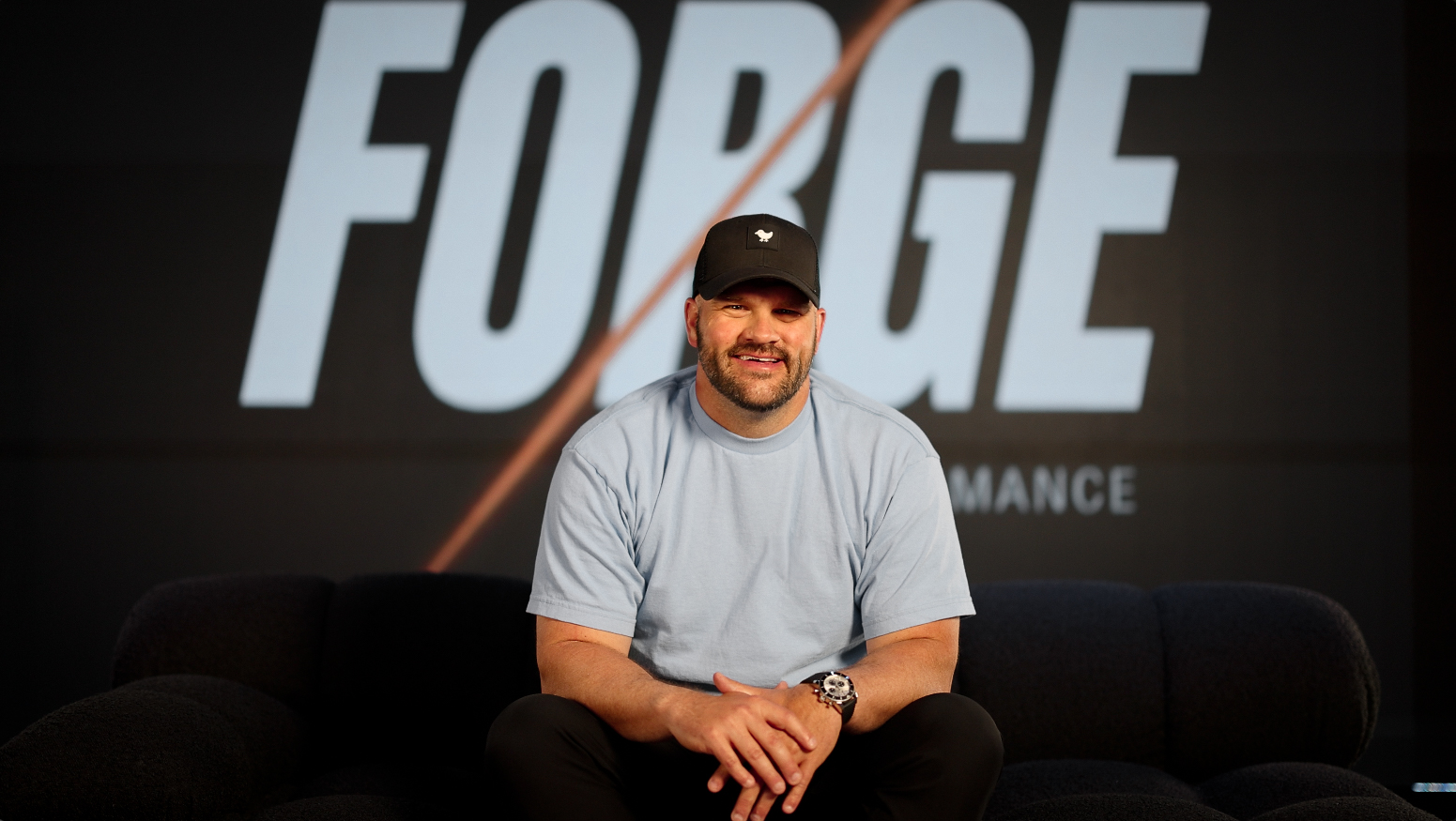
In Episode 2 of The Forge Podcast CEO Roundtable, Sam Taggart and Forge partners JD Beck, Josh Langford and Cody Kline sat down with Benton Sturt, a Director at Meridian Capital. Benton co-leads the firm's consumer practice and advises home service companies across roofing, HVAC, plumbing and pest control through mergers, acquisitions and capital raises. He is a Goldman Sachs alum and a 2025 M&A Advisor Emerging Leaders award winner, and his group's average transaction over the past several years has been around $90 million.
His answer to Sam's readiness question was sobering.
Sam asked: let's say you looked at a hundred companies, how many of that hundred are you like, okay, you're actually ready to sell?
Benton Sturt: "My guess is 15%."
Why Buyers Are Circling Roofing Right Now
A Fragmented Market With Recurring Demand
Benton says the home service market has been especially interesting since COVID, when people stuck at home drove a surge of activity in and around their houses. Private equity and professional investors got excited about two things: organic growth and a fragmented market with hundreds of companies across the country that can be bolted together into large platforms.
These are good businesses with recurring-type revenue and real brand recognition in their local markets. As Benton put it, the market has been appreciative of that over the last few years.
Readiness Is About Your Goals, Not Just Your Business
Benton was careful to say that not being ready doesn't mean a business is unsellable. It is less about an unsellable business and more about what the owner wants to achieve.
Owners show up in very different places. Some want out yesterday. Others say maybe in three or four years, because the company is their baby. An owner with five to ten years of gas left in the tank might take a $50 million capital investment to grow the company five times before selling. An owner close to retirement might just want a clean sale now. The right path depends on the goal.
Why Not Just Run Your Own Roll-Up?
The Skill Set Is Different
Plenty of successful roofing owners ask the same question: why give up control when I could buy a few companies myself?
Benton's answer is that running one great roofing company, or being the rainmaker, is a different skill from running a portfolio of businesses with different personalities and different owners. "If you've never done it... you can get way out over your skis really quickly."
JD Beck added that the hardest part is not running your own company well. It is helping run five other owners' businesses, integrating them and keeping your own company performing at the same time.
Speed and Scale
The upside of partnering is speed. Benton noted that an owner might build a $100 million business alone over five to ten years, or get there in two or three years by partnering with three or four smaller companies. At that size, you become more interesting to larger investors who have more money and can pay more.
Cody Kline knows this from experience. When his own roofing company was acquired by a private equity-backed platform that had done $102 million the year before, he admits he did not really understand his options. Even a few months before this conversation, he says, he had "uninformed optimism" about doing it on his own. JD was also candid that the model is not for everyone: "If you don't want to play nice in the sandbox, you're not a good fit for something like this."
What Makes a Roofing Company Worth More
Predictable Sales, Distributable Profit, Transferable Value
Benton described the role of an investment bank plainly: "We're not the builders. We're not the value creators." What bankers bring is market knowledge, what buyers are paying a lot for, what they won't pay for, and why one company sells for 15 times EBITDA while another sells for 4 times.
Cody Kline framed Forge's value model around three big things:
- Predictable sales: Recurring revenue and getting more from each customer relationship.
- Distributable profit: Real profit left at the end of the year.
- Transferable value: A business that is valuable to a buyer beyond its founders.
The Holy Grail Is Profitable Growth
Benton added a nuance on profit. If you are building for an exit, distributable profit can matter less, because many owners reinvest everything into growth. Buyers will underwrite what the business will produce once growth spending slows, and they look closely at gross margin to judge that.
But growth without profit is a trap. "Without a path to profitability... you grow yourself out of a business." JD noted that if growth stalls, all the infrastructure you built becomes bloated, and that can put a company in serious trouble.
"The holy grail is profitable growth right now."
Timing the Sale and Keeping Your Options Open
You Can't Time It Perfectly
Sam asked the question every owner struggles with: how do you balance selling at the peak against holding on and missing the window?
"Trying to time it perfectly is impossible," Benton said. HVAC owners who sold at the end of 2021 or 2022 got lucky, because multiples in 2023 and 2024 were not the same. External shocks, like the macroeconomic shifts JD pointed out or the COVID and tariff examples Benton gave, can shift the market quickly.
What matters more, according to Benton, is building a business you want to own and one that has real value. You also want to sell into growth. A buyer needs to see a clear next chapter, and you can't sell when you're at the end of your growth rope. As Josh put it, owners often think they will wait three years and everything will be just like it is today. It rarely is.
Selling Doesn't Have to Be All or Nothing
One of the most useful parts of the conversation was about structure. "It doesn't need to be as finite as I think a lot of people think," Benton said. Options include:
- A minority partner: Bring on a 30% partner.
- Growth capital: Take investment while keeping majority ownership.
- A two-step sale: Sell 65% and keep 35%, or sell 60% now and the remaining 40% later.
Benton has seen many clients sell 60% to a private equity firm and later sell their remaining 40% for more money than the first 60%, because they partnered with people who know how to build $100 million to $500 million companies. A founder of a $10 million roofing company usually hasn't run a $100 million one. "Giving yourself optionality is probably the most important thing."
The #1 Mistake Roofing Owners Make: Key-Man Reliance
If the Business Needs You, Buyers Will Price It In
When Sam asked for the single biggest mistake CEOs make, Benton said that outside of fraud, it is key-man reliance. The business can't be successful without the owner. You hold all the customer relationships, you are the one making the calls and you drive the growth every day. That makes a company very hard to sell.
His advice comes in three steps:
- Build a team that can run the business day to day.
- Build systems so results don't depend on any one person.
- Separate your identity from the business, which is often the hardest step emotionally.
"It's more valuable if you're less valuable, which is a crazy concept."
Benton also gets calls from burned-out owners asking if someone else can take the company off their hands. Sometimes, he said, the answer is maybe not. As JD put it, that's the wrong time to exit. If your roofing company still runs through you, the work to fix that starts with an operating system. OwnersOS is built for exactly that: the org chart, role clarity, KPIs and meeting rhythm that let the business run without you.
How to Get Your Roofing Company Ready to Sell
- Clarify your goal. Decide whether you want a full exit, a partner, growth capital or a two-step sale.
- Reduce key-man risk. Move customer relationships, sales and decisions onto your team.
- Prove profitable growth. Track gross margin and show a path to profit, not just revenue.
- Sell into growth. Start the conversation while the business still has a clear next chapter.
- Get outside eyes early. Let the right people look under the hood before a buyer does.
Frequently Asked Questions
How many roofing companies are ready to sell?
Benton Sturt of Meridian Capital estimates that only about 15% of home service companies that want to sell are actually ready when a buyer shows up.
What is key-man risk in a roofing business?
Key-man risk means the business cannot succeed without its owner. If you hold the customer relationships and drive all the growth, buyers see a company that may fall apart when you leave, and they lower the price or walk away.
Do I have to sell 100% of my roofing company?
No. Owners can bring on a minority partner, take growth capital or sell in two steps, such as 60% now and 40% later. Benton says the second sale is sometimes worth more than the first.
When is the best time to sell a roofing company?
You can't time the market perfectly. Benton recommends building a valuable business you want to own and selling into growth, while a buyer can still see a clear next chapter.
Conclusion
Only about 15% of companies that want to sell are ready when the moment comes. The other 85% aren't necessarily unsellable. Often they just haven't built the team, the systems and the profitable growth that buyers pay for, and they are still too dependent on the owner.
The good news is that every one of those gaps can be fixed, and fixing them makes your company better to own today. As Sam shared at the end of the episode, Benton was a big inspiration for the Forge model. When Sam asked him, "What if we just did this?" Benton's answer was, "You'd be dumb if you didn't."